26/04/2024 - 08:49
by F. Oliva
It is always a sad, fatalistic occasion when a newspaper closes down and ceases to exist. Read more
26/04/2024 - 08:47
by CARMEN GOMEZ
My venture with the Panorama began on the 13thJune 2012, Read more
26/04/2024 - 08:44
In my Opinion by Catherine Nuza
Today marks the conclusion of The Panorama. Read more
25/04/2024 - 09:20
SPECIAL REPORT by PETER TABERNER
As the peak of the tourist season approaches the Gibraltar Tourist Board has launched a revamp and rebrand of Visit Gibraltar, which was recently launched at the Wessex Lounge. Read more
25/04/2024 - 09:13
In my Opinion by F. Oliva
A Childline representative was interviewed on GBC recently and revealed that there are “many children and young people experiencing cruelty in Gibraltar.” Read more
22/04/2024 - 10:10
by CARMEN GOMEZ - In my view
Years back, I dedicated some articles on the subject of illegal fishing practices, and plundering of the oceans by Spain. Read more
19/04/2024 - 09:24
SPECIAL REPORT by PETER TABERNER
The past two years has seen interest rates continuously rise to the highest that they have been since the peak of the financial crash 16 years ago, Read more
28/03/2024 - 10:45
SPECIAL REPORT by PETER TABERNER
The Government’s offer for all liabilities over motor insurance to be transferred to the Channel Island states of Jersey and Guernsey has been simultaneously turned down. Read more
27/03/2024 - 10:08
In my Opinion by F. Oliva
Friday’s debate on the updated Inquiries Bill produced a dramatic, Read more
27/03/2024 - 10:05
by CARMEN GOMEZ
Today I will write about what I believe to be in the best interests of Gibraltar. Read more
26/03/2024 - 10:54
In my Opinion by F. Oliva
Every so often a woke quack in Gibraltar circulates the false concept of ‘toxic masculinity,’ Read more
26/03/2024 - 10:49
In my Opinion by Catherine Nuza
As the global population continues to increase at an unprecedented rate, there is a concern that our resources may not be able to keep up. Read more
22/03/2024 - 10:52
by Carmen Gomez
Reading through the UK-EU negotiations debated recently at the UK Parliament, it struck me that the parlance is very similar to that of the House of Commons. Read more
14/03/2024 - 10:44
In my Opinion by F. Oliva
Authorities in Gibraltar have for the first time ever admitted that multiculturalism is far from being the universal nostrum Read more
13/03/2024 - 10:38
In my Opinion by F. Oliva
The long term solution to Gibraltar’s recurring housing problem lies in the provision of truly affordable homeown-ership schemes for young Gibraltarian couples who wish to get married and have children. Read more
12/03/2024 - 10:14
In my Opinion by Catherine Nuza
For centuries, herbs and spices have been highly appreciated for their medicinal qualities and taste. Recent studies have confirmed various health advantages, such as cinnamon's ability to lower blood sugar levels and act as an effective anti-diabetic agent. Read more
08/03/2024 - 09:57
In my Opinion by Catherine Nuza
Life can at times feel like a world wind with moments that pose a great challenge when trying to focus on the task at hand. Being in control of your life is imperative when attempting to extract the best you can from it. Read more
06/03/2024 - 09:40
New FIFA Quality Pro Turf Installation
SPECIAL REPORT by PETER TABERNER
The Europa Sports Complex is to undergo a huge upgrade in its facilities where substantial investment will hand the complex maintenance equipment to the installation of a new FIFA Quality Pro turf. Read more
04/03/2024 - 09:52
SPECIAL REPORT by PETER TABERNER
Gibraltar can look forward to hosting the Business Travel Association (BTA) annual Autumn Conference after being chosen by the representative of the business travel community to be the venue for the gathering this year. Read more
01/03/2024 - 10:19
SPECIAL REPORT by PETER TABERNER
The government and the trade association Insurtech UK have announced the renewal of the Statement of Intent between both parties that was initially entered into three years ago, in what is a massive boost for the insurtech sector. Read more

.gif)

_1.jpg "The Last Panorama?")
 - Copy.jpg "Gibraltar waters resurface in European Parliament")
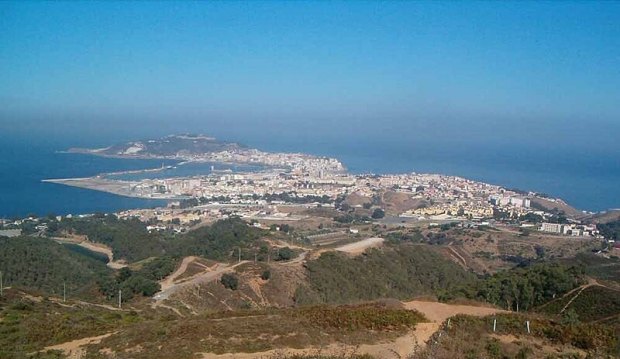
.jpg "Red Sea conflict heightens importance of Gibraltar Strait")
.jpg "Bumps remain on road to a treaty")
_1.jpg "The Last Panorama?")
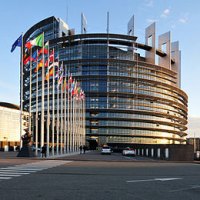
 - Copy.jpg "Gibraltar waters resurface in European Parliament")
.jpg "Royal Gibraltar Regiment Promotions and Awards")
.jpg "Three competitions for Gibraltar Fishing Club")
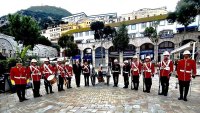
.jpg "ARMED FORCES PARLIAMENTARIANS ARRIVE IN GIBRALTAR")
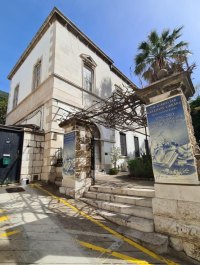
.png "The Convent Garden Open Day 2024")

_1.jpg "Spring Flower Show 2024")






.jpg "FRIDAY 26 April 2024")
 (1).png "What's on in Parliament")
